
 Send Inquiry
 08071931480
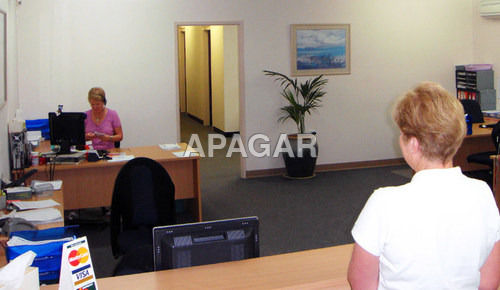
Close Plan Offices Sound Masking System
Product Details:
X
Product Description
Close Plan Offices Sound Masking Systems
Usage :
Using Articulation Index
- ASTM E2638 - Standard Test Method for Objective Measurement of Speech Privacy
Closed Rooms
- ASTM E1374-06 (11) - Standard Guide for Open Office Acoustics and Applicable ASTM Standards
- ASTM E1573-09 - Standard Test Method for Evaluating Masking Sound in Open Office Using A-Weighted and 1/3 Octave Band Sound Pressure Levels
LEED design
- Exceeds the necessities of LEED-V4 Acoustic Performance identified with sound concealing frameworks
- Uses of high-productivity enhancers and low utilization electronic segments permitting a low energy utilization
- Integrates a close down capacity that decreases the vitality utilization to zero outside of typical working hours
Additional Information:
- Minimum Order Quantity: 1 Set
Optimal Acoustic Privacy
Close Plans sound masking technology provides enhanced speech privacy and reduces distractions in open-plan offices and conference rooms. By emitting unobtrusive background sound, it seamlessly blends with ambient noise, fostering a comfortable and focused environment. The systems DSP integration and automated control ensure consistently clear audio masking tailored to every workspace scenario.
Flexible Installation Options
Whether for ceiling or raised floor mounting, the system offers versatile installation methods so it adapts easily to different architectural designs. Each control units compact dimensions and lightweight build simplify installation and maintenance, while remote management supports efficient configuration and ongoing adjustments across up to 32 office zones.
Efficient Power and Zone Management
Designed to optimize energy usage with only 15W power consumption per zone, the Close Plan system lets you control and monitor up to 32 separate zones, each supporting up to 12 speakers. This ensures high coverage and efficient resource allocation in diverse office layouts, backed by automated control for seamless operation.
FAQs of Close Plan Offices Sound Masking System:
Q: How is the Close Plan Offices Sound Masking System installed in offices?
A: The system can be mounted on either ceilings or raised floors, providing flexibility to suit various office layouts and architectural requirements. Installation requirements are straightforward, with compact control units and remote setup options to expedite deployment.Q: What is the maximum coverage area and zone capacity for this sound masking system?
A: The system supports up to 32 distinct zones, with each zone accommodating up to 12 speakers. Coverage area is adjusted according to the specific office layout, ensuring optimal sound masking and privacy for open-plan areas, conference rooms, and private offices.Q: When is sound masking most beneficial in a workspace environment?
A: Sound masking is especially beneficial during working hours or meetings to reduce auditory distractions, increase employee focus, and improve speech privacy in open-plan offices or conference rooms.Q: Where can the Close Plan Offices Sound Masking System be used?
A: It is suitable for open-plan offices, conference rooms, and private offices. The adaptable mounting options and customizable settings make it ideal for diverse professional environments across India.Q: What is the process for remote management and control of this system?
A: Remote management is supported via the network interface. Administrators can configure, monitor, and adjust each zones settings online, streamlining ongoing adjustments and maintenance without site visits.Q: How does the integrated DSP benefit sound masking effectiveness?
A: Digital Signal Processing (DSP) allows precise customization of sound masking parameters in each zone, optimizing acoustic comfort and ensuring consistent noise coverage tailored to each offices specific requirements.Q: What are the primary benefits of using a sound masking system like Close Plan?
A: The system reduces distracting noise, enhances speech privacy, and creates a comfortable sound environment. Automated control and remote management also save time for facility managers, increasing operational efficiency in dynamic workspaces.Tell us about your requirement

Price:
Quantity
Select Unit
- 50
- 100
- 200
- 250
- 500
- 1000+
Additional detail
Mobile number
Email

Other Products in 'Sound Masking System' category


 Contact Us
- M.A.C. Enterprise, Office No-201, Building No-12, HDIL Industrial Estate, Chandansar,Virar - 401305, Maharashtra, India
- Phone : 08071931480
APAGAR
GST : 27AENPC4874R1ZN
GST : 27AENPC4874R1ZN

- Ms. Jagruti Hatkar (Sales Manager)
- Mobile : 08071931480
-
 sales@apagar.net
- Head Office: Office No-201, Building No-12, HDIL Industrial Estate, Chandansar, Virar (East) -401305
Branch Office: HS No-2-41/6, Khanamet, Kondapuur, Serilingampally, Hyderabad, Telangana, 500084
Contact : +918928868742
Email : india@soundofsilence.in
Products- Acoustic Consultancy
- Sound Masking System
- Sound Measurement Tests
- Auditorium Acoustics Treatment
- Sound Mixing Studio
- Home Theatre Room Treatment
- Home Recording Studio
- Industrial Noice Treatment
- Movable Partitions
- Office Sound System
- Acoustic Doors
- Fire Retardant Solution
- SoundProofing Material
- Gaskets and Seals
- Acoustic Material
- Drop Down Door Seals
- Door Hardwares
- Acoustic Door Seals
- Acoustic Window and Wall System
- Acoustic Partitions
- 3d acoustic tiles
- Absorption Material
- Fire Sealant
 Send Inquiry
 Send SMS
APAGAR
All Rights Reserved.(Terms of Use)
Developed and Managed by Infocom Network Private Limited.
Developed and Managed by Infocom Network Private Limited.

